
Sony Alpha NEX-3N Review 2026: Is This Compact Mirrorless Camera Still Worth Buying?
The Sony Alpha NEX-3N is an older entry-level mirrorless camera, but it still has one important thing going for it: a large APS-C sensor in a very small body. For buyers looking at used cameras in 2026, that combination still matters. It can give you better image quality than many small compact cameras and older phones, without forcing you into a heavy DSLR setup.
This review looks at the NEX-3N with the Sony E PZ 16-50mm f/3.5-5.6 OSS kit lens. That is the common used-camera bundle, and it is also the setup most buyers will find on eBay and other second-hand marketplaces.
Tebarato verdict
The Sony NEX-3N is still a good budget mirrorless camera if you want compact size, simple controls, and better image quality than a phone. It is not ideal for serious video, sports, or bright outdoor shooting, but for travel, family photos, casual portraits, and learning photography, it still makes sense at the right used price.
Quick Specs
- 16.1MP APS-C CMOS sensor
- Sony E-mount lens system
- Common kit lens: Sony E PZ 16-50mm f/3.5-5.6 OSS
- 3-inch tilting LCD screen that flips upward for selfies
- Full HD video recording
- Contrast-detect autofocus
- Built-in pop-up flash
- No electronic viewfinder, no hot shoe, no Wi-Fi, and no touch screen
Who Is the Sony NEX-3N For?
The NEX-3N was made for people moving up from a compact camera. That still describes its best buyer today. It is a good fit if you want a small camera that feels approachable, produces clean photos, and lets you change lenses later if your interest in photography grows.
It is especially useful for beginners who do not want a camera covered in buttons. The controls are simple, the body is light, and the 16-50mm power zoom lens gives it a point-and-shoot feeling. You can turn it on, zoom with the rocker, compose on the rear screen, and take the shot without thinking too much about menus.
That simplicity is also the reason advanced users may feel boxed in. There is no viewfinder, no accessory port for an external viewfinder or flash, no microphone input, and no modern wireless workflow. If you want a camera to grow into serious video work or fast action photography, this is not the strongest choice.
Design and Handling
The big charm of the Sony NEX-3N is its size. Paired with the retractable 16-50mm power zoom lens, it becomes a small everyday camera that is easy to carry in a small bag. It is not truly pocketable in the way a phone or slim compact camera is, but it is far less bulky than a DSLR.
The body is mostly plastic, but that is not automatically a problem. The camera feels like an affordable consumer camera rather than a premium tool, and that matches its purpose. It has a small grip, a thumb rest, and enough shape to feel more secure than a flat compact camera.
Sony also made a practical improvement by placing the memory card slot on the side. That sounds small, but it matters if the camera is on a tripod. On many compact cameras, the card and battery door are underneath, which can be annoying when a tripod plate blocks access.
The Flip Screen Is Useful, but Dated
The 3-inch LCD can tilt upward and face forward, which is useful for selfies, simple video framing, and group shots. For a beginner camera from its generation, that was a friendly feature.
The weakness is the screen quality. The resolution is modest, and outdoor visibility is not great in strong sunlight. There is also no electronic viewfinder to fall back on. If you often shoot outside at midday, you may find yourself shading the screen with your hand just to compose properly.
Image Quality
This is where the NEX-3N still earns respect. Its 16.1MP APS-C sensor is much larger than the sensors found in most small compact cameras. That helps with detail, background separation, and low-light performance.
For everyday photos, the NEX-3N can still produce pleasing images. Family moments, travel scenes, food photos, street details, simple portraits, and product-style shots can all look good when the light is reasonable. The files have enough quality for web use, social media, small prints, and general personal photography.
It is also a good learning camera because it gives you access to raw files. If you want to practise editing exposure, white balance, contrast, and colour, the NEX-3N gives you more room to work than a basic compact camera.
Low-Light Performance
The APS-C sensor helps the camera stay usable indoors and in lower light, especially compared with old pocket cameras. You should still keep your expectations realistic. This is not a modern full-frame camera, and it does not have today’s autofocus or high-ISO processing. But for a used budget camera, its image quality remains one of its strongest points.
For cleaner results, keep ISO moderate when you can, use the lens stabilization, and look for steady light. The built-in flash is useful in emergencies, but natural light usually gives better-looking results.
Autofocus and Speed
The NEX-3N uses contrast-detect autofocus. In good light, it is fine for still subjects, travel, portraits, and general snapshots. It is not the camera to choose if your main subject is fast movement.
In dim conditions, autofocus can slow down and hunt before locking. This is normal for many older entry-level mirrorless cameras. If you are photographing children running, indoor events, sports, or pets that will not sit still, a newer Sony camera with phase-detect autofocus will be a better tool.
The 16-50mm Power Zoom Lens
The 16-50mm power zoom lens is a major reason the NEX-3N still feels practical. Its equivalent field of view is roughly 24-75mm, which covers wide scenes, everyday photography, and basic portraits. Optical SteadyShot helps reduce camera shake, which is useful because the camera body itself does not provide modern in-body stabilization.
The lens is compact because it retracts when powered off. It also gives the camera a familiar compact-camera zoom experience. You can zoom with the control around the shutter button or with the control on the lens.
The trade-off is optical quality. At the wide end, raw files can show strong distortion, although JPEG correction helps. This lens is built for convenience first. If you want the best image quality from the camera, a good prime lens can improve sharpness and low-light performance, but it will also make the setup less compact.
Video Quality
The NEX-3N can record Full HD video, and the footage can still be usable for casual clips. The flip screen also helps with simple self-recording. But this is not a modern creator camera.
There is no microphone input, no headphone jack, no hot shoe, and no accessory port. You rely on the built-in microphone, and power zoom noise can be picked up during recording. If video is your priority, especially YouTube, interviews, or clean audio, look at a newer Sony ZV or Alpha model instead.
What We Like
- Large APS-C sensor in a compact body
- Good still-photo quality for the used price
- Small 16-50mm power zoom kit lens is convenient
- Flip-up screen helps with selfies and simple video framing
- Side memory card access is practical on a tripod
- Raw support gives beginners room to learn editing
What We Do Not Like
- No viewfinder
- Rear screen is hard to use in bright light
- No Wi-Fi or touch screen
- No microphone input or accessory shoe
- Autofocus is not ideal for fast action or dim light
- The kit lens is convenient but not optically perfect
Used Buying Advice
Because the NEX-3N is an older camera, condition matters more than the spec sheet. Before buying, check the screen hinge, lens retracting action, battery door, memory card door, buttons, flash, and USB charging port. Also check that the 16-50mm lens opens and closes smoothly without error messages.
A good used bundle should ideally include the camera body, 16-50mm lens, battery, charger or USB cable, lens cap, and a working memory card. Extra batteries are useful because older used batteries may not hold full charge.
The right price depends on condition, accessories, and local availability. Do not pay too close to the price of a newer used Sony a6000, because the a6000 is a stronger camera overall, especially for autofocus and long-term usability.
Sony NEX-3N vs Sony a6000
If the price gap is small, the Sony a6000 is usually the better buy. It has a built-in electronic viewfinder, faster autofocus, better performance, and a stronger overall feature set. The NEX-3N makes more sense when it is clearly cheaper, when compact simplicity matters most, or when you find a clean kit at a good price.
In simple terms: choose the NEX-3N for budget and portability. Choose the a6000 if you want a stronger camera to grow with.
Final Verdict
The Sony Alpha NEX-3N is not a modern camera, but it is not useless either. Its value is simple: it gives you APS-C image quality in a small, beginner-friendly body. For still photography, casual travel, family photos, and learning the basics, it can still be a smart used buy.
You should avoid it if you need strong video tools, fast autofocus, a viewfinder, Wi-Fi, or a bright outdoor screen. But if the price is right and the condition is clean, the NEX-3N remains a charming little camera that can still take very good photos.
Tebarato recommendation: buy it only as a good-value used bundle. If it is priced close to a Sony a6000, move up to the a6000. If it is clearly cheaper and includes the 16-50mm lens in good working condition, the NEX-3N is still worth considering.
Sources Reviewed
Recommended Products
Products from this review
Follow through to the Tebarato product page first, then use View Deal there to continue to eBay.
Top pick
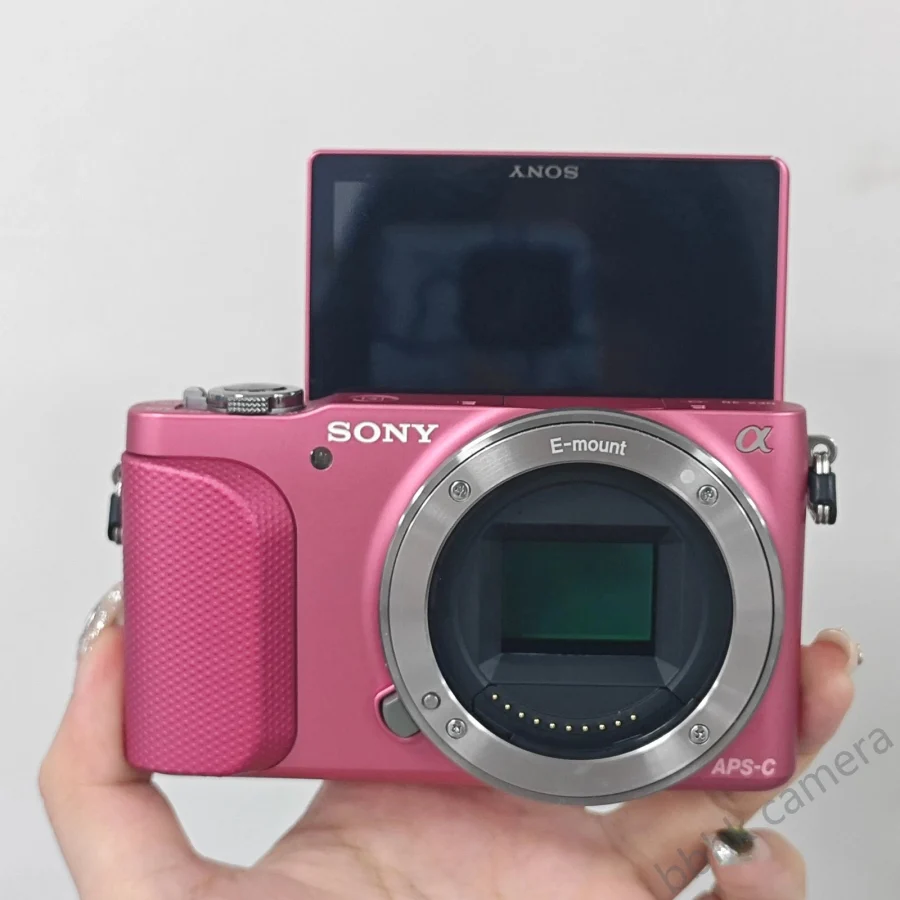
SONY Alpha NEX-3N 16.1MP Mirrorless Digital Camera W/ E3.5-5.6/OSS 16-50mm Lens
The direct NEX-3N kit to consider if you want the camera reviewed here.
Price: $170.18
Shipping cost: USD 12.99
View product page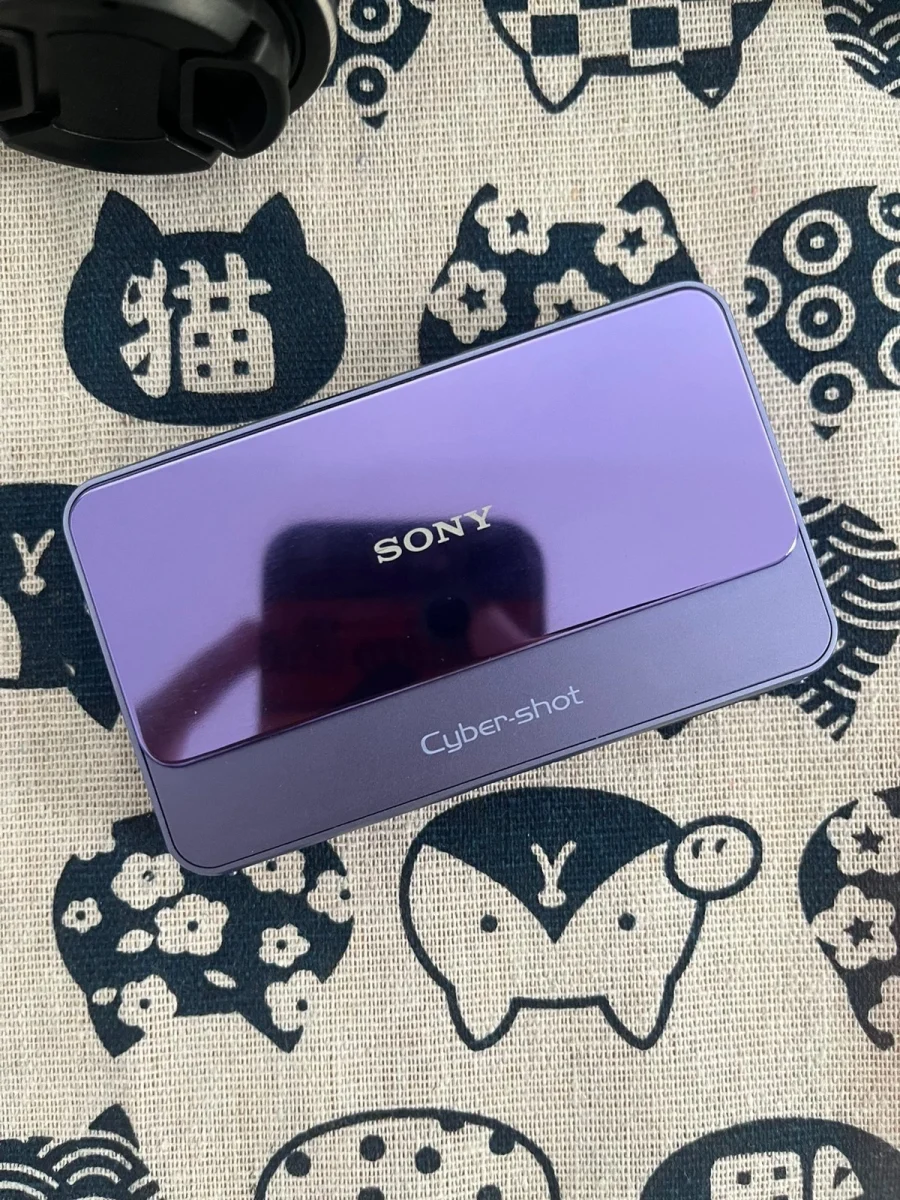
Alternative
SONY DSC-T110 Digital Camera 16.1MP Cyber Shot 4x Optical Zoom - Purple
A compact Sony option for buyers who prefer a simpler pocket-style camera.
Price: $149.99
Shipping cost: USD 19.99
View product page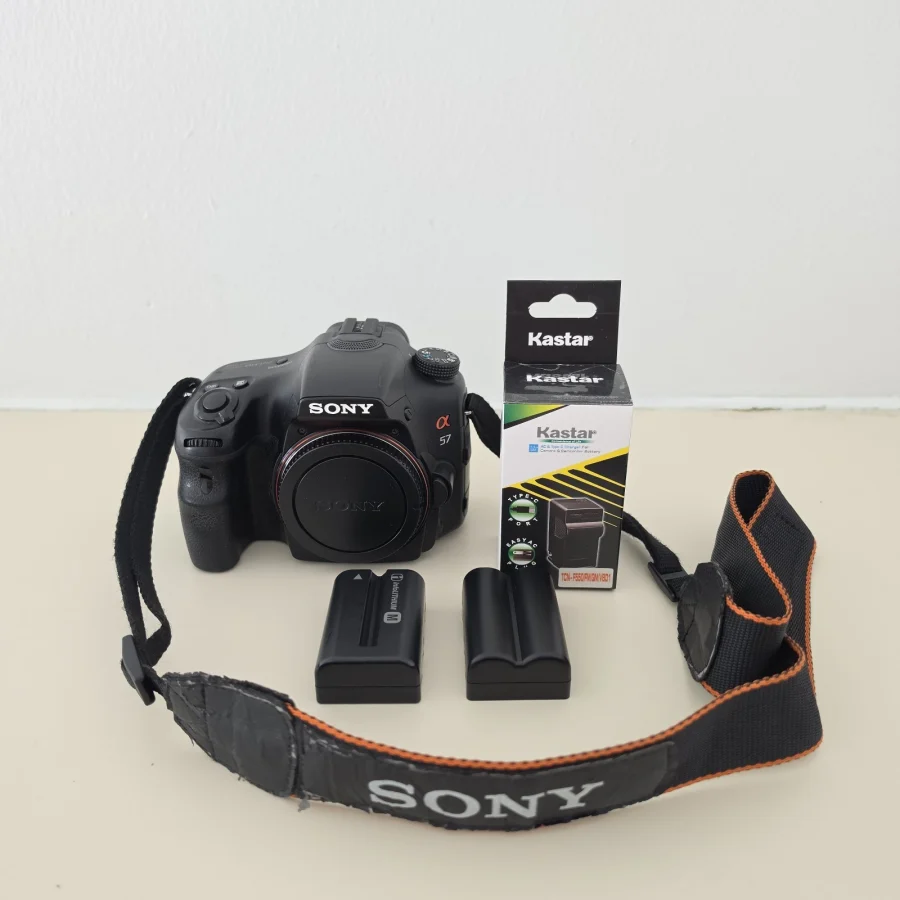
Recommended
SONY Alpha 57 SLT-A57 16.1MP SLR Digital Camera Body Only - Black
A larger Sony body to compare if handling and grip matter more than size.
Price: $189.95
Shipping cost: Free
View product page